

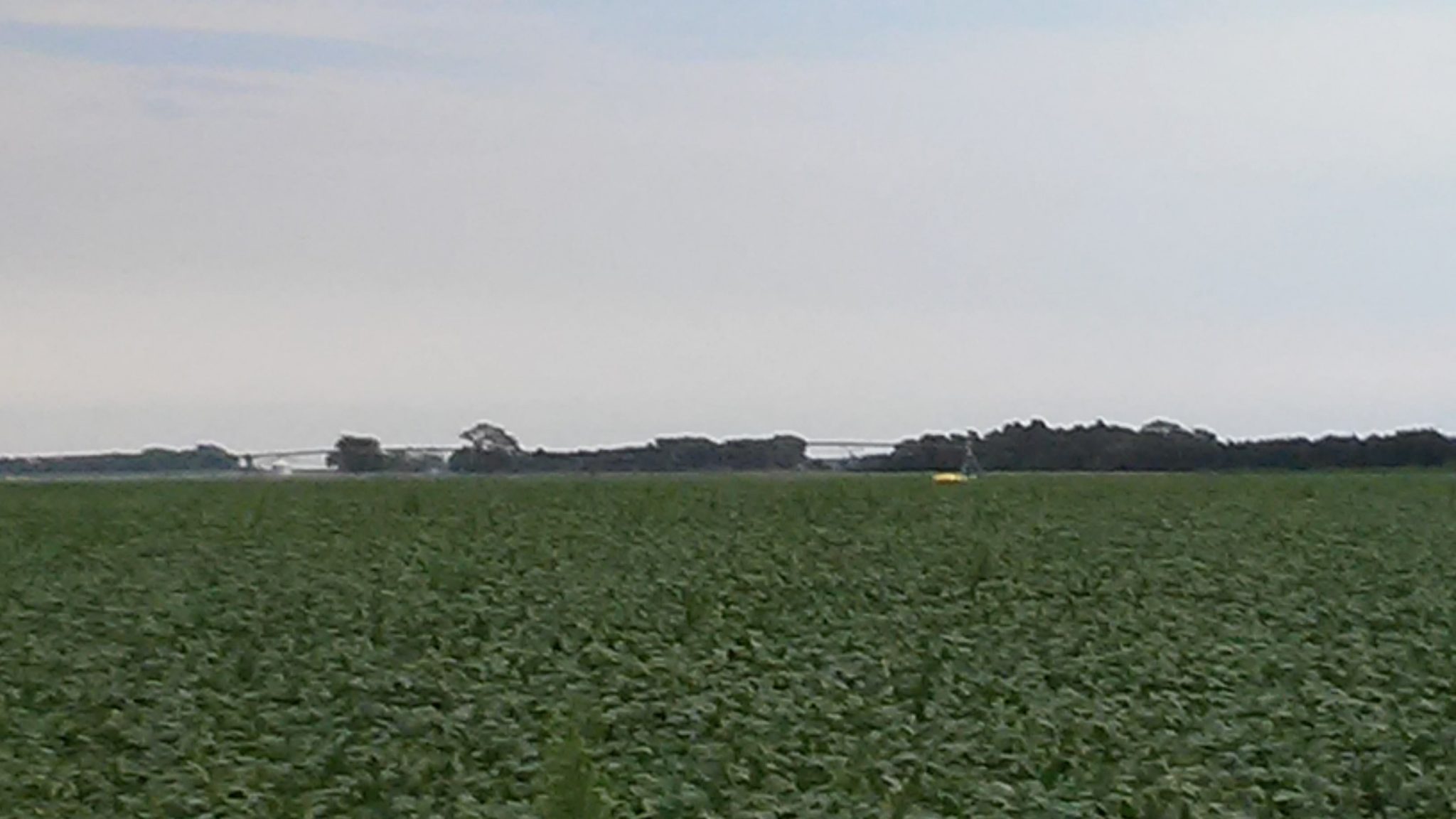

Grain Farming: From Field to Futures
Grain farming is a cornerstone of global agriculture, providing essential commodities like wheat, corn, soybeans, and more that feed billions. In an era of volatile markets influenced by weather, geopolitics, and demand shifts, successful grain production involves not just growing the crop but also strategic contracting, marketing, and risk management through hedging and futures trading. This article explores the full spectrum, offering insights for farmers, traders, and enthusiasts alike.
Growing Grains: Best Practices for Production
The foundation of grain farming lies in effective production techniques. Selecting the right location is crucial; grains thrive in sunny areas with well-drained, fertile soil. For major crops like wheat, preparation begins with land tillage to create a fine seedbed, followed by timely sowing—typically in fall for winter varieties or spring for others. Seed rates and spacing are vital: for wheat, aim for 1.5 to 2 million seeds per acre to ensure optimal plant density.
Nutrient management is key, involving soil testing to apply balanced fertilizers, often nitrogen, phosphorus, and potassium. Irrigation, pest control, and weed management follow, with integrated practices reducing chemical use in sustainable systems. Crop rotation—alternating grains with legumes—helps maintain soil health and break pest cycles. Harvest timing is critical; grains are ready when moisture content drops to 13-15% to minimize storage losses. Modern tools like precision agriculture, using GPS and drones, optimize yields while minimizing environmental impact.
Small-scale producers can start with crops like oats or quinoa in limited spaces, scaling up as experience grows. Overall, grain growing is a year-round cycle: planning in winter, planting in spring, monitoring through summer, and harvesting in fall.
Grain Contracting: Securing Sales and Prices
Once grains are grown, contracting becomes essential to lock in profits. Contracts provide certainty in an unpredictable market, allowing farmers to agree on prices and delivery terms ahead of time.
Common types include:
| Contract Type | Description | Pros | Cons |
|---|---|---|---|
| Cash Contracts | Immediate or deferred sale at a fixed price. | Simple; quick payment. | No flexibility if prices rise. |
| Forward Contracts | Agree to deliver a specific quantity at a future date for a set price. | Locks in price pre-harvest. | Risk if production falls short. |
| Basis Contracts | Set the basis (difference between local cash and futures price); futures price floats until fixed. | Captures basis improvements. | Exposed to futures price drops. |
| Hedge-to-Arrive (HTA) | Fix futures price, basis later; similar to basis but reversed. | Protects against futures declines. | Basis risk remains. |
| Delayed Price Contracts | Deliver grain, price later; ownership transfers. | Frees storage space. | Price risk if market falls. |
Production contracts specify farming practices and guarantee purchase, often used in integrated operations. Farmers should choose based on storage capacity and market outlook—forward for limited storage, basis for optimism on local premiums.
Marketing Strategies: Maximizing Returns
Marketing grains involves deciding when and how to sell to achieve the best price. A solid strategy considers seasonal patterns, global supply, and personal financial needs.
Key approaches include spreading sales throughout the year to average prices, using storage to wait for peaks, or leveraging contracts as above. Monitor basis levels—strong basis signals local demand, prompting quicker sales.
Digital tools and apps now aid in tracking prices, with resources like comprehensive guides helping farmers tailor strategies. For instance, if futures rally pre-harvest, lock in via forward contracts; post-harvest, use basis if expecting tightening.
Futures Trading: The Basics for Grain Markets
Futures trading allows buying or selling standardized contracts for future delivery, primarily on exchanges like the CME Group. Each contract specifies quantity (e.g., 5,000 bushels for corn) and quality.
Traders speculate on price movements, but for farmers, it’s a risk tool. Prices fluctuate based on supply reports, weather, and exports. Beginners should understand margin requirements—initial deposits to open positions—and use limit orders to control entries.
Hedging: Protecting Against Price Volatility
Hedging uses futures to offset cash market risks. For producers, a short hedge involves selling futures to lock in prices against declines. Example: A wheat farmer sells futures at $9/bushel; if cash prices drop to $8.50, the futures gain offsets the loss.
Buyers hedge long by purchasing futures against rises. Options add flexibility—puts for downside protection without obligation. Always match hedge to physical grain and close positions near delivery. Hedging isn’t speculation; it’s insurance for stable income.
Final Thoughts
Grain farming integrates science, business, and finance. From nurturing crops in the field to navigating contracts and hedges, success demands knowledge and adaptability. With resources like CME guides and university extensions, farmers can thrive amid uncertainties. As markets evolve, staying informed is key to turning grains into gold.