

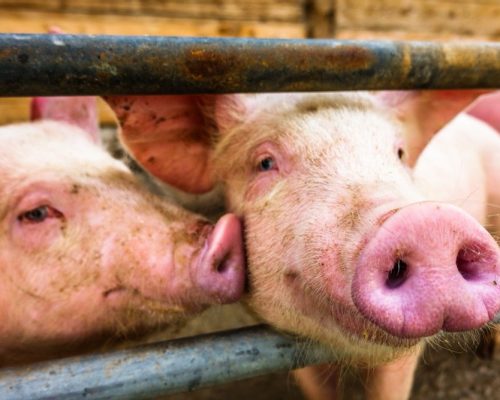

Raising Hogs on Dirt = Free Range for Profit: A Sustainable Approach to Premium Pork Production
Raising hogs in a free-range system that minimizes soil disturbance—often called “dirt-free range”—offers a compelling path for small-scale farmers seeking profitability while prioritizing animal welfare and environmental health. Traditional free-range hog farming allows pigs to roam and forage, but their natural rooting instinct can quickly turn pastures into mud pits, leading to erosion, nutrient runoff, and degraded land. By adopting managed techniques like rotational grazing, deep litter integration, or “pig tractor” systems, farmers can prevent excessive rooting damage, produce high-quality meat, and tap into premium markets for pasture-raised pork.[2][17] This approach not only sustains the land but can yield profits through direct sales of ethically raised pork, appealing to consumers willing to pay more for superior flavor and sustainability.
Understanding Dirt-Free Range Hog Farming
Dirt-free range emphasizes controlled freedom for hogs, where they express natural behaviors like foraging and wallowing without devastating the soil. Instead of unrestricted access to large pastures, pigs are rotated through smaller paddocks or contained in systems that limit rooting. For instance, the “pig tractor” method uses movable pens on a small area—about 1/20th of an acre for four hogs—allowing them to root selectively while minimizing overall disturbance.[17] Rotational grazing divides land into sections, moving hogs frequently to fresh ground before they can over-root, promoting soil recovery and grass regrowth.[2] Heritage breeds like American Guinea Hogs or Gloucestershire Old Spots are ideal, as they have stronger foraging instincts and less destructive tendencies compared to commercial breeds.[1]
Deep litter systems complement this by providing indoor or semi-outdoor bedding layers of straw, wood chips, or rice hulls that absorb waste and generate heat through composting, reducing odors and allowing pigs to root in a contained, regenerative environment.[50][52] These methods keep pastures intact, turning potential liabilities into assets for long-term farm viability.
Benefits of Dirt-Free Range Systems
This farming style delivers multifaceted advantages. Pigs thrive with space to roam, leading to lower stress, healthier growth, and better meat quality—leaner cuts with higher omega-3s and antioxidants.[18][40] Environmentally, rotations build soil fertility as manure enriches pastures without lagoons or runoff, and deep litter compost becomes valuable fertilizer.[2][50] For farmers, startup costs are lower than confinement systems—no need for expensive barns—and feed efficiency improves with supplemental foraging on grains, acorns, or garden scraps.[9][32]
Profitability shines in niche markets. Pasture-raised pork commands premiums, with producers reporting 50% margins on organic sales.[27] Studies show outdoor systems can net $10+ per pig after costs, thanks to reduced labor and utilities.[26] Direct marketing via farmers’ markets, CSAs, or on-farm sales builds loyal customers seeking ethical, flavorful meat.[9]
Practical Steps to Get Started
Begin with site selection: Choose well-drained land with shade and access to water. Stocking rates vary—10-50 pigs per acre depending on terrain—but rotations prevent overuse.[8] Secure fencing is crucial; electric netting or hog panels with underground skirts deter escapes and rooting under barriers.[1][7]
Feed is key, comprising 60-70% of costs. Supplement pasture with grains, whey, or organic grower feed (14-16% protein), aiming for 250-300 lb market weight in 5-7 months.[6][32] Provide automatic waterers and shelters like three-sided huts or deep-litter barns for weather protection.[0] Health management includes veterinary ties for vaccinations against flu or parasites, though outdoor life often means fewer antibiotics.[0]
For dirt-free operations, monitor rotations weekly and use nose rings sparingly if rooting persists, though ethical alternatives like enrichment toys are preferred.[42] Scale small: Start with 2-4 pigs to test markets before expanding.[29]
Challenges and Solutions
Challenges include predators, disease exposure, and slower growth rates (pigs may take longer to finish without confinement feeds).[40][41] Weather extremes demand vigilant monitoring—shade for heat, windbreaks for cold. Fencing failures can lead to escapes, so invest in robust, hot electric systems.[7]
Mitigate by planning a whole-farm nutrient strategy, diversifying breeds for resilience, and marketing proactively. While feed costs fluctuate, foraging cuts expenses, and premiums offset risks.[9] Success hinges on management: Rotate to heal land, and treat pigs as partners in soil-building.
Maximizing Profits
To profit, target direct sales: Sell wholes or halves at $4-9/lb hanging weight for pasture-raised pork, far above commodity prices.[10][37] Calculate costs carefully—$250-300 per pig for feed, plus processing—aiming for $10-50 net profit each.[6][26] Build a brand around sustainability: Certifications like organic boost appeal.[27] On diversified farms, hogs complement crops by tilling and fertilizing, creating synergies for higher overall returns.[2]
Dirt-free range hog farming isn’t just viable—it’s a pathway to resilient, profitable agriculture. With careful planning, it delivers ethical meat, healthy land, and a thriving business.
Sources
- Raising Small Groups of Pigs – Penn State Extension
- Raising Pigs For Beginners – Abundant Permaculture
- How to Raise Pigs on Pasture – On Pasture
- How to Raise Hogs for Profit on a Small Farm – Chron
- r/farming on Reddit: Hog farming question – Reddit
- How to raise a pig on pasture for the new grower – New Terra Natural Food
- Hogs: Pastured or Forested Production – ATTRA – Sustainable Agriculture
- Free-Range Pig Farming: Benefits & Challenges Explained – Bivatec
- Raising Organic Hogs by the Tractor Method – MOFGA
- Free Range Pig Farming on the Homestead – Countryside
- Raising Pigs on Pasture – SARE
- Raising pigs on pasture for meat and money – New Terra Natural Food
- r/homestead on Reddit: Raising pigs for profit – Reddit
- r/homestead on Reddit: General Pig Raising Advice – Reddit
- Raising Small Groups of Pigs – Penn State Extension
- The benefits and challenges of pasture-based pork production – Oregon State Extension
- Free-Range Pig Farming: Benefits & Challenges Explained – Bivatec
- Hogs: Pastured or Forested Production – ATTRA – Sustainable Agriculture
- Deep litter – Wikipedia
- Pigs: The Deep-Litter Solution – The Pig Site